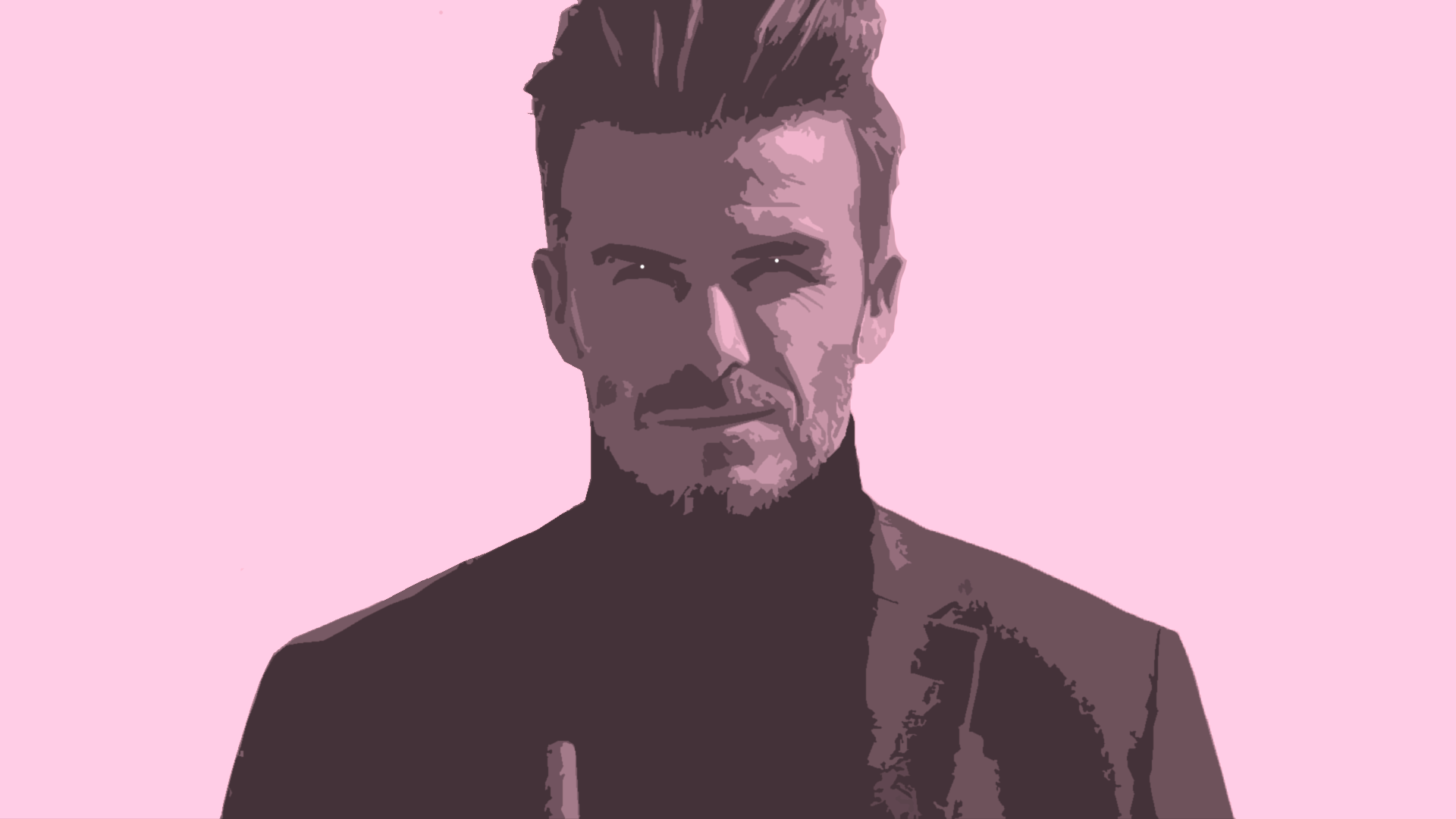
Cementing a sports legacy, stadium deals included, is no easy task in South Florida. Despite more success than many cities can claim, the region is notorious for long stretches of mediocre teams and broken promises.
The Florida Marlins (cough cough, Miami Marlins) have made their two World Series wins since 1993 feel like ancient history, thanks to Jeffrey Loria's controversial ownership and the Marlins Park stadium deal that still haunts taxpayers. The Florida Panthers, meanwhile, spent most of their existence since '93 in rebuilding mode: a hockey team in a subtropical climate fighting for relevance. If it weren't for Micky Arison bringing in Pat Riley, which eventually delivered three NBA titles to the Miami Heat, and the Dolphins' 1972 perfect season, giving fans something to cling to across generations, South Florida sports would be purely depressing.
But a new club has arrived with a genuine chance to give South Floridians something to cheer about, even if it's from temporary stadium seats. Inter Miami isn't the first attempt at professional soccer here. The Miami Fusion played on the very same land before dissolving in January 2002 after just four years.
This time, though, feels different.
Soccer has exploded in popularity across the United States since 2002, especially in markets with large Hispanic and Latino populations like South Florida. The region itself continues expanding, one concrete block at a time. Add English icon David Beckham to the ownership group alongside brothers Jorge and José Mas, and suddenly you have star power, local business credibility, and deep pockets.
And star power is exactly what South Florida demands. This is a market that rallies behind legends. Dwyane Wade became more than a basketball player. He became Miami's identity, his jersey retirement a cultural moment. Dan Marino's cannon arm kept Dolphins fans invested through decades of playoff disappointments. Even LeBron James, a transplant, commanded the city's attention during his four-year Heat tenure simply by being LeBron.
South Florida doesn't just want good teams. It wants icons.
That's where Inter Miami's future is at stake. Beckham's name opens doors, but his playing days are over. If the club can land a global superstar (imagine someone like Lionel Messi donning the pink and black), the floodgates would open. The casual fan, the transplant who never cared about MLS, the kid choosing between soccer and basketball: they'd all pay attention.
The stereotypes are well-worn. Miami-Dade residents are flashy and image-obsessed, Palm Beach is full of wealthy retirees, and Broward is somewhere in between. Generalizations are rarely fair, but media perception shapes reality, and Inter Miami seems designed to capitalize on exactly that. Beckham's global brand, combined with South Florida's growing soccer culture and hunger for a winner, could finally be the formula that works.
Whether Inter Miami becomes the legacy South Florida has been waiting for or another cautionary tale remains to be seen. If history has taught us anything, it's this: give South Florida a superstar to believe in, and the fans will follow.